
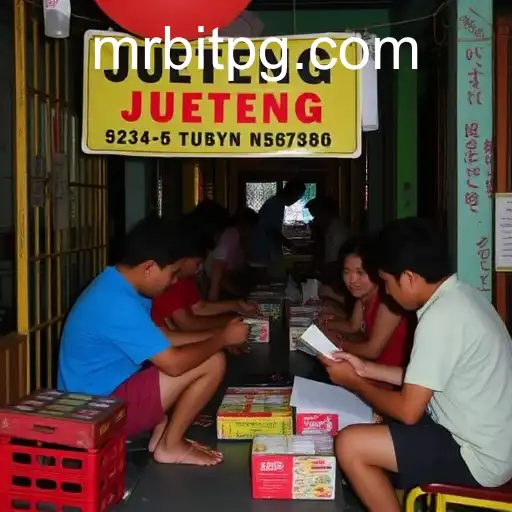
An In-depth Exploration of Jueteng in the Philippines
The complexities of the Philippines' socio-economic landscape are reflected in many aspects of its culture, with Jueteng being a significant yet controversial part. Known primarily as an illegal numbers game, Jueteng has woven itself into the socio-political fabric of Filipino society. This exploration dives into how this tradition continues to thrive amidst legality issues, its impact on communities, and the relevance of emerging platforms like bife777.
Jueteng: A Historical Perspective
Jueteng is widely believed to have been introduced during the Spanish colonial era, becoming a staple source of entertainment and livelihood, particularly in rural areas. The game is simple, yet its simplicity belies a complex web of social implications. Participants place bets on numbers, which are drawn later to determine winners. Over the years, however, Jueteng transformed from a mere pastime into a symbol of broader socio-economic challenges, often highlighting disparities in wealth and opportunity.
The Game's Mechanics: How Jueteng Operates
Understanding Jueteng requires a closer look at its mechanics. Bettors select a combination of two numbers from a predetermined range, usually 1 to 37. These numbers are drawn twice a day in clandestine yet well-organized operations managed by financiers and community runners known locally as 'kubrador.' The allure of Jueteng lies in its promise of significant rewards from minimal investment, offering players a temporary respite from day-to-day financial struggles.
Socio-Economic Impact of Jueteng
The enduring popularity of Jueteng is largely tied to its socio-economic impact. In many provinces, Jueteng revenues bypass official economic systems, instead becoming part of an informal economy that provides financial benefits to insiders while creating a dependency among bettors. Critics argue that it perpetuates poverty by encouraging monetary gambling among those who can least afford it, but a more nuanced view reveals its role in local economies as both harmful and necessary.
Jueteng and Governance
The illegal nature of Jueteng contributes to its ties with corruption and governance issues. Public officials often find themselves embroiled in controversies, accused of receiving protection money or turning a blind eye to its operations in exchange for political support. Despite numerous campaigns to eradicate it, Jueteng remains resilient, in part due to its deep entrenchment in political systems and community networks.
Modern Dynamics: Jueteng and Bife777
In the digital age, traditional games like Jueteng are beginning to intersect with new technologies. Platforms such as bife777, while not directly associated with Jueteng, represent an evolution in betting culture. These platforms offer a digital space for gambling, drawing parallels to Jueteng’s format yet operating within legal frameworks. This convergence illuminates the ongoing evolution of how such games are perceived and participated in, embodying a shift towards more regulated environments while still holding true to the essentials of risk and reward that define the allure of Jueteng.
Cultural Significance of Jueteng
While often viewed through the lens of legality and governance, the cultural significance of Jueteng cannot be understated. It serves as a communal activity, a shared experience that transcends its roles as a mere betting game. For many Filipinos, conversations about and around Jueteng are a part of daily life. It is a thread that ties them to their history, their community, and often, to hope for a better future secured through the whimsical nature of luck.
Challenges in Eradication
The challenges in eradicating Jueteng are as multifaceted as the game itself. Law enforcement agencies encounter difficulties owing to the game’s informal nature and local protection networks. Moreover, the complicity of some public officials creates a formidable barrier to legal interventions. Any genuine attempt to curb Jueteng would require not just stringent legal measures, but also substantial socio-economic reforms to address the underlying poverty that fuels its existence.
Conclusion
Jueteng remains a compelling testament to the interplay between betting culture and socio-political realities in the Philippines. Its endurance, despite numerous eradication efforts, underscores the necessity for nuanced approaches that consider both its adverse effects and the socio-economic roles it fulfills. As new platforms like bife777 emerge, the narrative of traditional gambling forms continues to evolve, demanding attention and introspection from policymakers, community leaders, and society at large.