
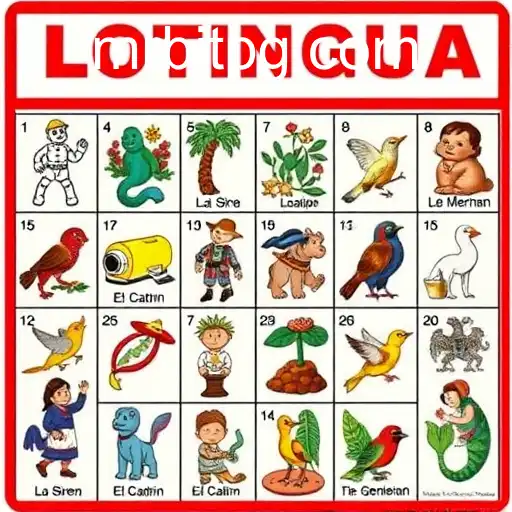
The Cultural Significance of Loteria
Loteria is much more than just a traditional Mexican game similar to bingo; it embodies a rich tapestry of history, culture, and art. While many may view it as merely a pastime, for countless individuals, Loteria serves as a connection to heritage and identity.
Origins and Evolution
The roots of Loteria can be traced back to Italy in the 15th century, from where it spread to other parts of Europe. By the 18th century, the game reached Mexico, where it became deeply ingrained in the fabric of Mexican culture. Unlike bingo, which relies purely on numbers, Loteria uses illustrated cards filled with culturally significant images—each accompanied by a unique Spanish name. These images encompass various aspects of life, from animals and plants to celestial symbols and iconic characters.
Gameplay Dynamics
Playing Loteria is quite straightforward yet incredibly engaging. Each player receives a card containing a grid of 16 different images. A caller randomly draws a card from the deck and shouts the name or an associated riddle, adding an aspect of poetic intrigue to the game. Players mark off the corresponding picture on their board, striving to complete a pre-determined pattern, like a row or column. It's a game that beautifully blends chance with community involvement.
Artistic and Cultural Elements
The imagery of Loteria serves as an open window to Mexican culture and folklore. Artists have reimagined these cards over generations, each bringing their unique perspective to the designs. Traditional sets include vividly rendered pictures like La Sirena (The Mermaid), which serves as a symbol of mystery and allure, or El Catrin (The Gentleman), reflecting societal roles and aspirations. The visual aspect of the game resonates with players of all generations, making it both a nostalgic reminder of the past and a canvas for contemporary artists to explore.
Loteria as a Tool for Education and Identity
In classrooms, educators have used Loteria to teach vocabulary and cultural concepts, thanks to its versatile and interactive nature. Children learn about the meanings behind the images and the history they encapsulate, providing a framework for cultural education that is both fun and informative. Communities outside Mexico have also embraced Loteria, especially among Mexican-American families, helping maintain a connection with their roots and a sense of pride in their heritage.
The Impact of Technology
In the digital age, the way Loteria is played has transformed significantly. People can now play Loteria online, opening the game to a broader audience and preserving its cultural relevance in an increasingly digital world. Smartphone applications and online platforms like bife777 offer virtual rooms where users can play Loteria with others from around the globe, ensuring the game's survival and introducing it to new generations who might be more inclined toward digital entertainment.
Conclusion: Loteria's Resilient Charm
Despite its simplicity, Loteria has managed to remain relevant through its integration of cultural motifs and adaptive nature. Whether played in a lively family gathering or through a quiet evening session online, it continues to captivate its players, building bridges across cultures and generations. The game's enduring popularity stems from its ability to celebrate cultural heritage while evolving to meet the demands of modern society.